
Chafing, Riding Up, and Other Gym Underwear Nightmares: A Practical Guide
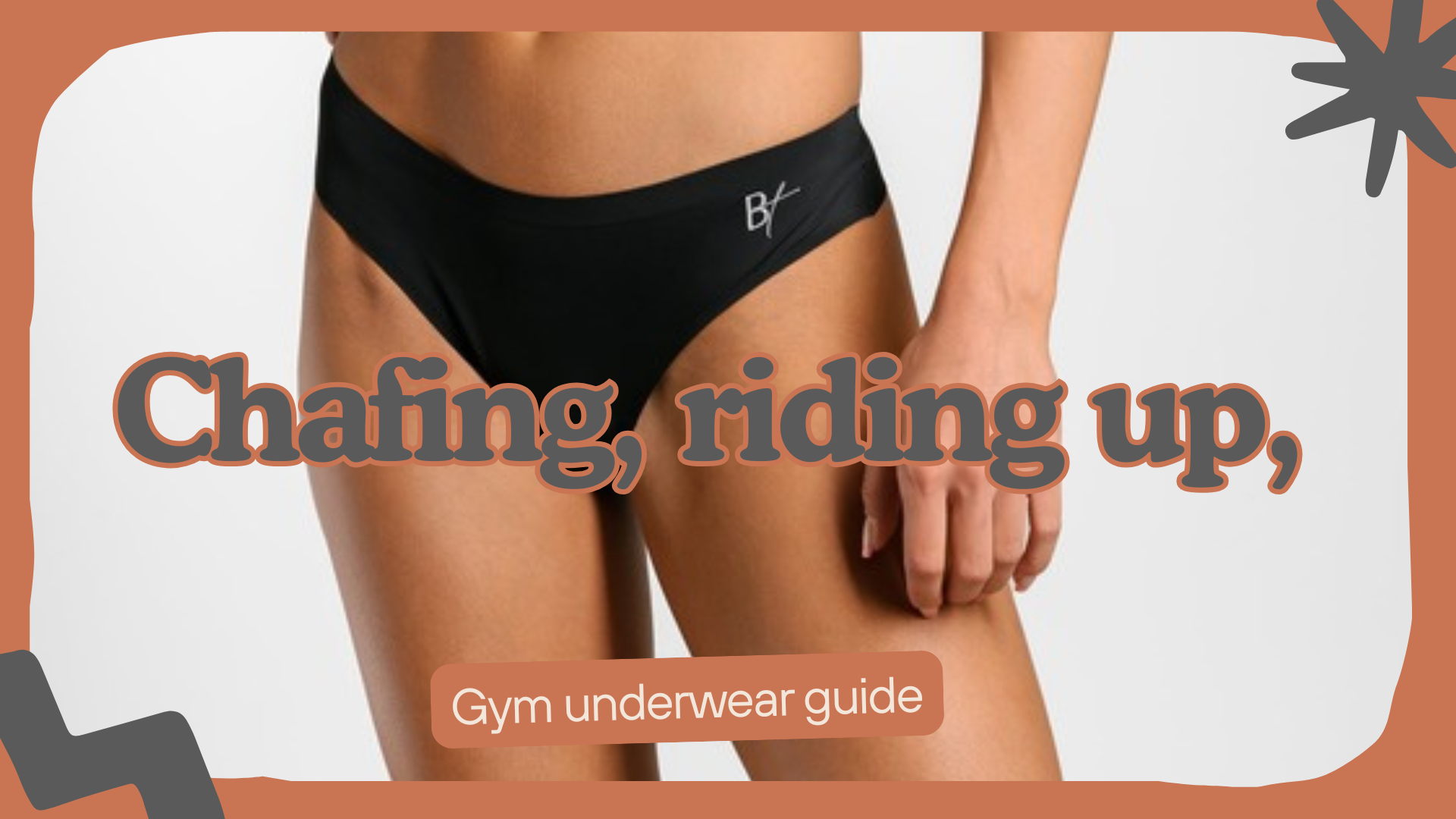
Anyone who's ever had to subtly adjust their underwear between sets or cut a run short due to chafing knows that these "minor" irritations can seriously impact your workout. Let's break down why these issues happen and how modern fabric technology addresses them.
Understanding Chafing: The Science Behind the Discomfort
Chafing occurs when fabric repeatedly rubs against your skin, creating friction that leads to irritation. Several factors contribute to this:
- Moisture from sweat creates more friction between skin and fabric
- Cotton becomes heavy and abrasive when wet
- Seams create pressure points and additional friction
- Loose or bunched fabric increases skin contact and rubbing
The Problem with Traditional Seams
Traditional underwear construction relies on seams that
- Create raised edges that can dig into skin
- Form pressure points during repetitive movements
- Often fall at the worst possible locations for active movement
- Can create visible lines under workout gear
Why Underwear Rides Up
That annoying bunching and riding up happens because
- Traditional elastic bands lose tension unevenly
- Non-stretch fabrics can't accommodate full range of motion
- Poor fit around thighs creates space for fabric migration
- Moisture and movement combine to shift fabric position
The Role of Fabric Choice
Different fabrics behave differently during exercise
Cotton
- Absorbs and retains moisture
- Becomes heavier when wet
- Loses shape during extended wear
- Creates perfect conditions for chafing
Technical Fabrics
- Move moisture away from skin
- Maintain shape during movement
- Provide consistent compression
- Reduce friction against skin
Movement Mapping
Understanding how your body moves during different exercises helps explain why underwear positioning matters:
- Squats require full hip flexion
- Running involves repetitive leg movements
- Yoga demands full range of motion in multiple directions
- CrossFit combines explosive movements with flexibility needs
Prevention Strategies
Beyond choosing the right materials, several factors can help prevent these issues:
Size and Fit
- Proper sizing allows fabric to move with you
- Too tight creates pressure points
- Too loose allows excess movement and bunching
Construction
- Seamless design eliminates pressure points
- Four-way stretch accommodates all movements
- Strategic compression provides support without restriction
Care and Maintenance
- Regular washing maintains fabric performance
- Proper care extends garment life
- Replacing worn items prevents deterioration-related issues
When to Replace Your Underwear
Look for these signs that it's time for replacement:
- Elastic has lost its snap
- Fabric feels rough or pilled
- Seams are fraying or coming apart
- Material has become thin or transparent
- Shape doesn't recover after washing
The Long-Term Impact
Addressing these issues isn't just about immediate comfort:
- Proper gear reduces risk of skin irritation
- Comfortable movement patterns improve exercise form
- Confidence in your gear lets you focus on performance
- Prevention is easier than dealing with irritated skin
Supporting Active Movement
The best approach to preventing these issues combines
- Understanding your activity needs
- Choosing appropriate materials
- Ensuring proper fit
- Maintaining your gear
Remember that what works for low-intensity activities might not serve you well during high-intensity workouts. Your active pursuits deserve gear that supports rather than hinders your movement.
Read also: Quiet underwear. (The compliment we keep getting.) — what it means when underwear stops talking to you all day.
If this resonates, the underwear might too.
Underwear you forget you're wearing — try a multipack at up to 32% off, free shipping on every pack.
See the bundles →